About
The project
Daggerobelus combines archival research skills and textual close reading with data science workflows executed through state-of-the-art agentic AI as its primary methodology. The name of this project, Daggerobelus, is a reference to the typographical symbol to denote a footnote or annotation. In that spirit, I consider Daggerobelus primarily a project in annotation of historical archives. That is, Daggerobelus annotates historical archives in order to ask questions, add notes, provide context, or make connections that do not immediately exist in the text.
Another central goal of Daggerobelus is to use opensource frameworks that make this methodological process reproducible for other scholars. The entire repository for Daggerobelus is available on GitHub. GitHub also allows other users to make updates to the codebase and track who makes the changes—another form of annotation found in this project.
Daggerobelus started as part of a Digital Humanities project for Professor Sara McDougall’s course Sex and Crime Before 1800 at the CUNY Graduate Center in the fall of 2025. The final version of this project culminated in an interactive dashboard for the Lorraine Witchcraft Trials, an extensive corpus of over 300 unique trials from 1580-1630. The final version of this dashboard focuses on visual representations of healers put on trial on suspicion of witchcraft. The dashboard allows users to sort and filter by various criteria (gender, economic status, type of healer, etc.) to understand how particular groups compare to overall trends in the archive. This flexibility allows users to notice trends across a vast archive—trends that otherwise might be obscured. The dashboard offers the flexibility to visualize the most general trends and zoom into the specificities of particular trials. Overall, I plan to use this dashboard—and what I learned from creating it—as the foundation for future projects with Daggerobelus, including future visits to the Folger.
The author
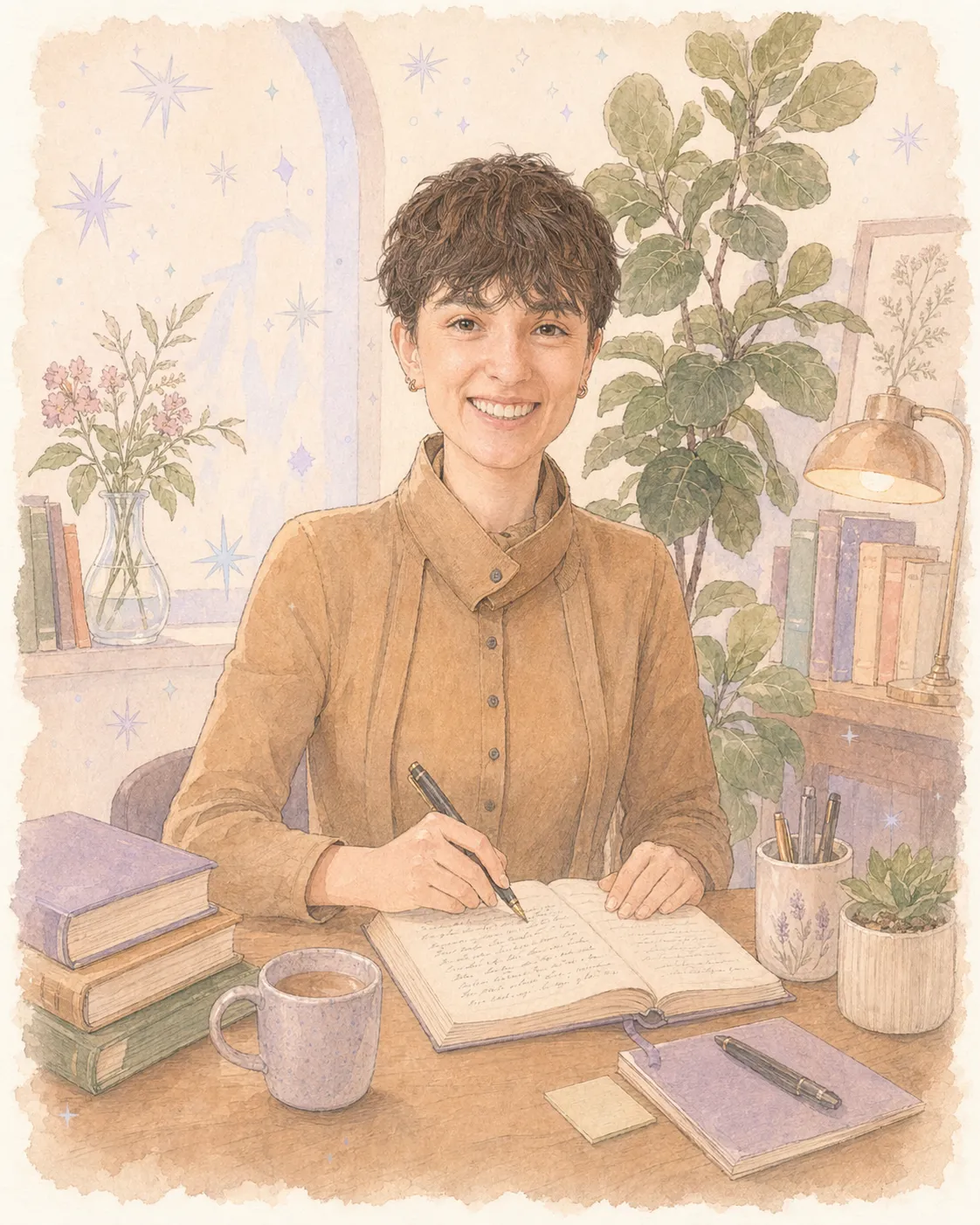
Sarah Bonanno is an English PhD student studying early modern drama at the CUNY Graduate Center. Her dissertation will likely focus on theatrical representations of women’s reproductive lives from virginity to childbirth. Sarah is also a Graduate Teaching Fellow in the English Department at Brooklyn College. She lives in Brooklyn, NY with her dog, Bella.
Sarah graduated cum laude from Bowdoin College in 2018 where she received a BA in English with honors. She also holds an MA degree from the University of Chicago with a concentration in Theater and Performance Studies.
Sarah can be reached at sbonanno@gradcenter.cuny.edu.
Jack Lukic provides essential support on all things software related.